Thursday, 11 June 2015

Bait balls at last

The Safari got a few minutes on Patch 2 this morning and it was pretty good too. A full scan gave us three Grey Seals and about a dozen Common Terns, the latter fishing successfully in shallow water bringing out small fish from only just under the surface. A large flock of presumed Sanderlings, they were a bit far out but we couldn't see any obvious black bellies, flew low over the water and out to sea going to Greenland or Canada perhaps.
In the shimmer out on the horizon we could just about make out the fluttering white dots of gulls and diving Gannets at a bait ball, well it was more spread out than a ball but there was a bit of a feeding frenzy going on and then a couple of miles further round another one! This second one had few Gannets in attendance, both were too far away to see if there were any mammals there.
Closer inshore a small trawler trawled with about 500 gulls following it. A look on Marine Traffic told us it was within the 'new' Marine Conservation Zone.
This track is from later in the day - been to port and come back out again
That's the boundary of the MCZ - they'd be far more effective if they were 'no-take' zones
Another smaller boat was much closer inshore but without a transponder so we couldn't see it on the map, probably shrimping so dragging up anything living in the sand on the seabed.
We didn't get much in the way of opportunities to get out with the camera on a gloriously warm and sunny day but we did go to thee shops! The local supermarket was knocking these beauties out for far less than you could make them for. We got there fairly early but the shelf had obviously been ransacked, lots of space and price markers below but only these two left - good on folk for buying them! 
And finally a couple from the yesterday and our trip to the beach with the little ones.
Sea Gooseberry by our colleague RK - not often you can see the detail of their internal structures.
 Where to next? Calm seas mean it's gotta be Patch 2 again in the morning.
 In the meantime let us know who's scooping up what in your outback

Tuesday, 9 June 2015

A summer's day on the sands

The Safari wasn't short of an idea for the #30DaysWild project today, we had a family event on the beach at the north end of town. Before we went up town we had a few minutes on Patch 2 immediately found a year bird. As we approached the wall we could see a flock of geese going north, were they Canada Geese or Grey Lag Geese? Either would be a patch tick if not particularly over exciting. They turned out to be about 40 Canada Geese (P2 #56). Checking our records later we discovered they'd been omitted from the spreadsheet since early January so become year bird number #170 and Nature Reserve bird #91. A Grey Seal miles out was soon found on the carpet-calm sea and we heard the screaming of Swifts (#57) for the first time on the patch. Looking up we watched the male chase the female in a real test of speed until she let him mate with her tumbling down through the air until the deed was done and they broke apart before they hit the ground. A short but productive session.
We drove up the Prom and the families arrived at the appointed hour and we were soon down on the sand with our nets and buckets.
After the cold and windy weekend today's weather was real tonic, it actually felt like summer had arrived at last which always makes an enjoyable hour or so on the beach much more fun.
The tubs began to fill up with different shaped and sized shells, Pod Razors and Mussels being the most common. The Masked Crab population seemed to have taken a bit of hit in the stormy weather last week, there were lots of dead ones in various states of dismemberment and almost all that could be sexed were males. A couple of the children were brave enough to have a small Green Shore Crab crawl across their hands.
Finder extraordinaire was our colleague from Children's Services RK. First she called us over to show us a jellyfish which turned out to be a small Compass Jellyfish and was still alive - the children loved seeing in pulsating as it swam round their tub. Shortly afterwards she came running over with something unidentified in her net - a Sea Gooseberry, and once that first one was found everybody started noticing them all over the place.
The kids' favourites were the large Edible Whelk shells that they could hear the sea in.
Don't think he'll be successful with one with a hole in it. but he'll have fun trying.
RK had an ace up her sleeve, or at least in her net, a baby Flounder or Plaice she'd spotted scuttling across the sand minutes before we started packing up. Always nice to get a fish in the tub for the kids to see...and it's a tick in the box on our Beach Bingo sheet.
Where to next? More sandy shenanigans tomorrow hopefully.
In the meantime let us know who's been leaping into the buckets in your outback.


Sunday, 7 June 2015

Sunday afternoon in the sun

The Safari was garden-bound almost all day but got out for a couple of hours late on.
Pottering around in the garden we found the solitary bee has started a new brood tube in a hole in the fence rather than the bee hotel.
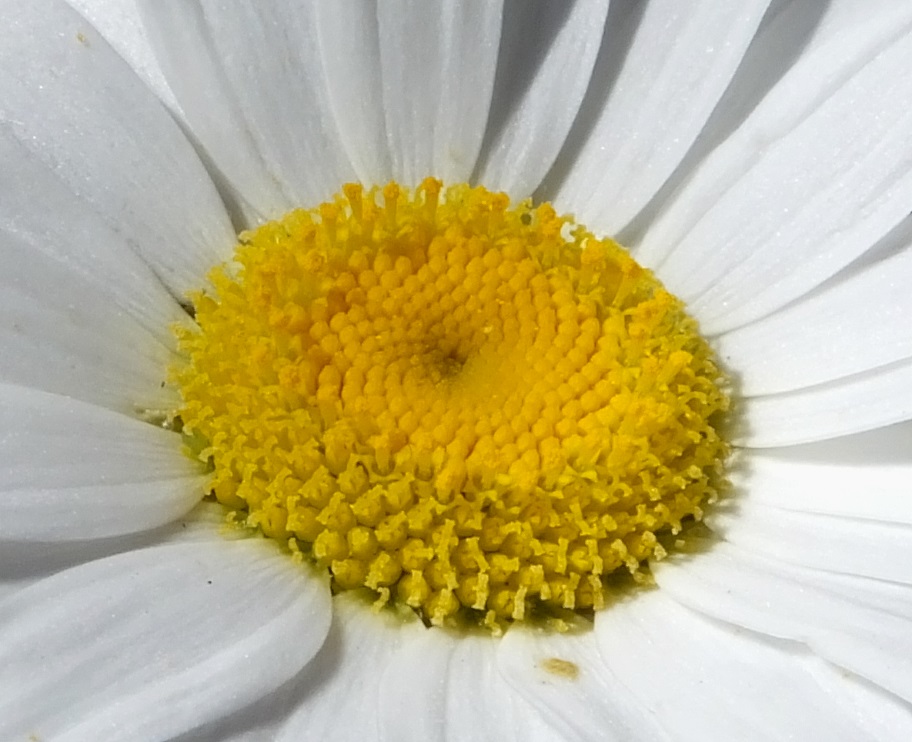
Nearby was on of our many Ox-eye Daisies.
The Goldfish were active in the warm sunshine - they were lucky they couldn't feel the bitter wind. 
Our safari out late afternoon had orchids on the menu.
The Bee Orchids aren't quite out yet - we could only find two, this was the smaller but easier to access of them.
Down on the nature reserve there's an unprecedented number of Marsh Orchids, over 170 now!
 OK so they're some of the most common orchids there are but aren't they stunners!


We went ot have a look over the water and heard a Lesser Whitethroat singing on the short walk. About 30 odd Swifts were scything over the mere easily the most we've seen this year and we've still not seen one at Base Camp.
There was something very unusual on the grass - an Oystercatcher feeding away totally unphased by people and dogs! how bonkers, we've seen them on there when it's been really quiet in the winter but not like this on a busy weekend.
A very pleasurable couple of hours mooch and meander and we saw our first Common Blue butterfly, briefly, and a mature Blue Tailed Damselfly, again only briefly.
Where to next? Patch 2 again in the morning.
In the meantime let is know who's sneaking through the fence in your outback.

Saturday, 6 June 2015

Free the frog

The Safari was out at the bioblitz again but before we started our mini-beast hunt we had a look to see if the other moth trap had had success over night. It hadn't; the moths just hadn't provided the goods so the bioblitz total will be quite a few species fewer than it should have done. Far more interesting than no moths was the plankton trawl. A boat had been out in the river mouth towing a plankton net and microscopes were set up in the lab. We've no idea what we were looking at but there are some seriously unusual tiny animals out there in the water, wish we'd been able to photograph them for you.
Our bug hunt wasn't overly successful the wind was just too strong and too cold for many insects to be out n about. We couldn't find any butterflies, ladybirds, hoverflies and only a few Bumble Bees including Common Carder Bee, Honey Bee, Early Bumblebee and what we think may have been a cuckoo bee Bombus slyvestris which had a white tail with a small black tip.
One of our young attendees lived very close by and had a Frog that he'd found in his garden he wanted to release so he went home and brought back in a little fish tank. We found a suitable place for it in the long grass away and it was duly released by little E in to the big wide world.
A good end to a good day.
Where to next? Planning something orchidy tomorrow hopefully the weather will play ball.
In the meantime let us know who needs releasing in your outback.

Brilliant bats and miserable moths on World Environment Day

The Safari wanted a worthy wildlife encounter for for our #30DaysWild on World Environment Day, we had a bit of a wait but got two in the end although we did struggle for a pic.
Patch 2 was dire over the low tide in the morning and the cold wind meant we didn't stop out long. But it was all change on the rising tide at lunchtime - by eck was it different! It was still windy but the tide wasn't high enough up the wall yet that it splashed over. We set the scope up and had a scan, a sailing yacht was moored out by the Gut Buoy and in front of it two Manx Shearwaters careened southwards at speed. Scanning north to see if any more were following we picked up a couple of Sandwich Terns heading our way and a flock of very close auks came into the field of view and landed on the water - five Guillemots, we never get close flocks like this. So we had a look where they'd dropped in from...a feeding frenzy was going on!!! At least 20 Gannets and more Common Terns were fishing like mad only a couple of hundred yards off the end of the sea wall, never seen Gannets that close before. They were fishing over the beach, the water was so shallow they were dropping into it from less than 10 feet up with not enough time to fold their wings properly. We stood and watched in awe, if only they'd been right in front of us we could have got some fantastic video. We never saw them come up with any fish, it was very choppy in the strong wind and if the fish weren't too big they'd be swallowed underwater anyway - Whiting???? watching the Common Terns we couldn't pick out any Arctic Terns - still need them for the Patch list - but far better was a diminutive Little Tern (P2 #55) that had a brief spell at fishing before moving on northwards past us - by far the best Little Tern views we've had on Patch 2. This was beginning to be like being in the middle of a David Attenborough documentary, we stood there lapping up the spectacle for the best part of half an hour and it was still going on when we had to head back to the desk. Work really is the bane of the birding classes but those few minutes rank amongst the best wildlife spectacles we've witnessed on Patch 2...and not a mammal in sight!
Still struggling for a pic the walk back along the corridor had us looking through the windows at our wild area being blown around like Billyo in the cruel cold wind. But we did see the sun catch the Cranesbills and wow how intensely blue did they look - camera time!
Looks like it's smiling and sticking it tongue out at us
In the evening we were at a Bioblitz on the estuary with the moth trap and bat detector. We set up the trap in a glade between the trees where there was a bit of shelter from the fierce cold wind and away for the other trap near the visitor centre so as the two lamps wouldn't be in competition. Day gave way to dusk and a few moths began to flutter through the nearby long grass. We netted one, a nice male Common Swift. Only minutes later there were hundreds, this was going to be a good night -  despite the wind. A bat fluttered overhead, then another one, time for the bat detector. We made a bat attracting 'fly' out of a long stalk of grass turned the detector on and held the 'fly' up. Well the next two hours was bat heaven. With the light from the moth trap behind us we had spectacular views of the bats as the circled the 'fly' some even tried to wrench it from our hand - never had it work so well in the at least 25 years we've been employing this trick. in simple terms we were awestruck - how many times did we gasp or saw wooowwww out loud, our grin was as wide as the river on very a full tide. no chance of any pics in the dark although one of our fellow bioblitzers tried a bit of video on her phone but it was too dark. Almost all were Pipistrelles, certainly the ones investigating our 'fly' were, Our detector isn't sophisticated to distinguish the calls of Soprano Pipistrelles but we're sure we did get some feint connects with Brown Long Eared Bats and one of the first we saw looked Noctule-big as it disappeared round the top of the tall trees above, shame we didn't get a better/longer look at it.
The moths however were worse than poor. Those Common Swifts were just about all that was about. while batting we'd been keeping an eye on the sheets around the trap but the only things fluttering across it were bits of leaves torn from the trees. A few Flame Shoulders appeared at almost packing up time as did a couple of other species yet to be identified which we potted for identification in the morning but it was hard work. As we were leaving we chatted to the other moth trappers to find they had exactly the same experience - virtually no moths. They were running their trap off the visitor centre mains electricity rather than a genny like we'd done so were able to keep it running over night hopefully they'll have caught a reasonable selection of species to show all the visitors in the morning.
On a slightly different note we had superb views of the International Space Station as it passed over looking down on our amazing mothless planet. From their lofty position 230 miles up they get the best overview of the world there is and they see what should be obvious to all of us but certainly doesn't seem to be - there is only one Earth, there is no Planet B - we've got to take far better care of the one we've got not just on World Environment Day but every day, that's today, tomorrow and all the other tomorrows yet to come until the sun explodes.
Where to next? Back at the bioblitz to lead a kiddies mini-beast safari - can tell you now it's gonna be good and there'll be lots of #30DaysWild fun to be had.
In the meantime let us know who's spying on your outback from above


Thursday, 4 June 2015

Day 4 of #30DaysWild already

The Safari has been out n about over the last couple of days and been fortunate to find some suitable subjects for the #30DaysWild project. A few days ago we passed one of the local schools which has been rebuilt in the last few years and at the front has a large flood water storage area which has been planted with wildflowers. It was looking good when we passed to we contacted the school and asked if we could bob down and take some photos and did the students use it as a resource. 
The following day we were at the school with our camera.
There are interpretive signs around the school concourse which includes a list of the species in the sowing mix. We didn't see all of them but Meadow Clary is a species we hardly ever see and have never photographed before.
Salad Burnet is a little more numerous in the local area but still a pretty rare plant round these parts.
The wildflowers are sown in drifts along raised mounds to great effect.
It really is a good spectacle in this suburban area.
We expect the colours will change over the summer as different plants come into flower so we hope to get back and document the changes and perhaps do some work with the students too.

There seems to be a flurry of activity around a couple of 'celebrity' 3-spined Sticklebacks this week and as our work's pond is full of them we went out and bought a small tank to show the public some in the flesh indoors. The tank comes supplied with a pump but it is a total mismatch and when we turned it on it nearly blew the water and the fish on to the floor. This pic was taken only a few minutes after we'd set it up, you struggle to see the fish but they are in there...honest!
If you're in the area please pop in and have a look at these little marvels - stars of stage screen and television - well television at least!
In the evening we took an enthusiastic gang of cubs out on the beach and they had a right old rummage round the rockpools for an hour. They found a good number of Common Prawns, some in berry, and a few Green Shore Crabs. Star of the evening where a large number of reasonably sized Blennies. We've rarely seen that many in one session before.
Look at the position of those eyes, just right for seeing anything approaching from above
Lovely colour they are too
This morning as we were taking Frank out we saw that the solitary bee had filled it's bamboo tube. Wonder if it has started a new one - it's been the best day of the year today so it should have been pretty active.
And finally the water cleared a fair bit in the tank so we tried a couple of close ups of the 3-spined Sticklebacks.
We're hoping one of them is a male and will start to colour up and make a nest. We'll try to imprve the pics too.
Lunchtime on Patch 2 there wasn't much happening until we came across a flock of active gulls and a couple of Gannets, Most were sat on the water while a few cruised round,. All of a sudden a commotion would break out as the flock rose and chased something unseen.  We saw a largish dark shape break the surface a couple of times but nothing conclusive enough to put a name to. This went on for about ten minutes before all went quiet and the gulls lost interest and drifted off. Nothing was seen to breach but we'd put a quid on it being a Bottle Nosed Dolphin.
Where to next? Day 5 tomorrow and our eyes will be peeled for a wild opportunity.
In the meantime let us know who's the wildest in your outback.


Monday, 1 June 2015

#30DaysWild Day1

The Safari's day started quite well with the first Song Thrush (Garden #30) we've heard from Base Camp this year - yikes that's LATE!!!
From there we took Frank on his early morning walk and counted how many different species of wildflowers were growing in the roadside verge.
Here's what we found
Groundsel
Curled Dock
Daisy
Dandelion
White Clover
Greater Plantain
Shepherd's Purse
Dove's Foot Cranesbill
Creeping Buttercup
Yarrow
Pineapple Weed
Smooth Sowthistle
Thyme Leaved Speedwell
Lesser Trefoil
Common Dock
Ribwort Plantain
Field Mouse-ear
and 
something we couldn't identify??? which is probably a strange Dandelion agg but will it be able to flower before the mower's next visit. 
18 species - Not bad

We'll do the grasses another day when more of them are in flower.

Our Patch 2 visit wasn't up to much - windy and cold and not really promising. A couple of Gannets, one was one of last years. A Sandwich Tern and a few Common Terns and one that looked very much like an Arctic Tern but staying on it was difficult as it popped in and out of the troughs. We were on the point of giving up with no sign of any Fulmars when a dark phase Arctic Skua (169, P2 #54) sped through northwards in the middle to far distance.
Where to next? There'll be the second instalment of #30DaysWild but what it'll be we don't know yet.
In the meantime let us know who's gone wild in your outback