Showing posts with label clematis. Show all posts

Monday, 6 June 2016

100 species for Garden Bioblitz 2016?

The Safari spend all day yesterday in the garden getting sunburned and recording the wildlife we found for this year's Garden Bioblitz. Crikey it was warm out there with glorious wall to wall non-stop sunshine - like a proper real old-fashioned summer's day!
We started early with the moths. The neighbours had been away so we were able to put the big light on and with a warm, still, muggy night had the best catch we've had for a couple of years. Once all our kit laid out we were ready to open the trap.
Of course there were a few of the immigrant Diamondbacks, some didn't make it into the trap but were found nearby on the walls and in the vegetation.
Inside the trap there were some species we've not seen that often at Base Camp, like this Figure of 80.
Middle Barred Minors turn up more often.
As do Poplar Greys.
This one was a bit flighty and escaped but fortunately landed first on the lid of our recycling bin. Had it gone straight to ground we don't think we'd have found him.
Delving deeper into the trap it was great to see one of favourite moths in there, Green Silver Lines, another species that doesn''t find its way into the trap very often.
But the top spot went to this beauty, not one but two of them!
They really are something special. 
As ever there were some unIDd moths in there so if anyone can help please do.
Pug 1 - we seem to have developed 'Pug blindness'
Pug 2
Probably a worn Small Square Spot
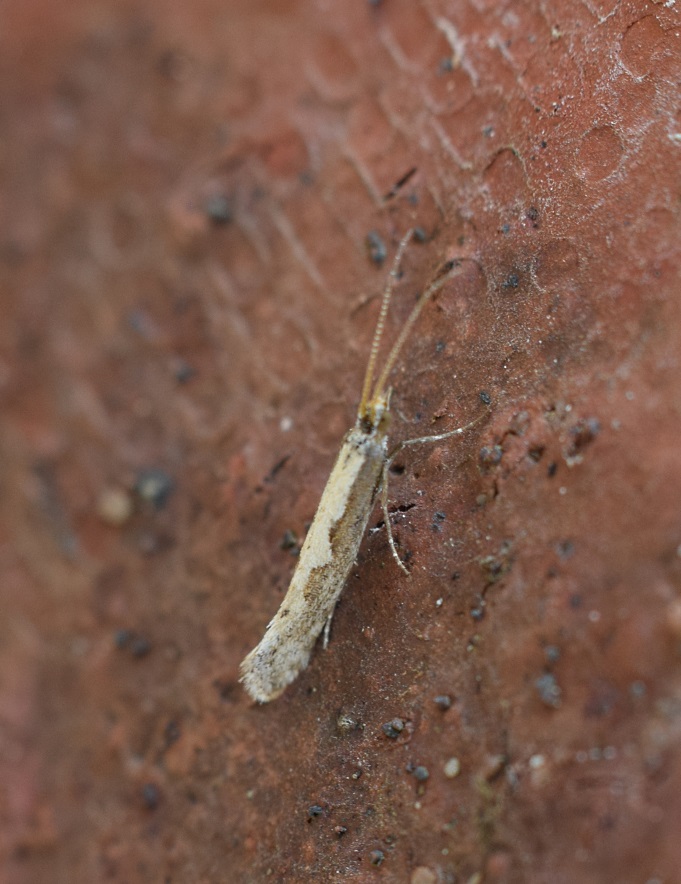
Micro 1
Micro 2 - Now IDd for us as Cochylis atricapitana
We ended up having a moth-off or game of moth poker with our brother who lives in north eastern Italy and has recorded more species of butterfly within a kilometer of his front door than there are in the whole of the British Isles! We were holding back the Green Silver Lines to trump him but the best he could offer was Latticed Heath, a species we see too, only a few hundred yards away along the North Blackpool Pond Trail.
Once the moths were sorted (25 species including the unIDs) it was time to look at the birds
Fly-overs like  the Swifts and Sparrowhawk and this Herring Gull don't count
Woodpigeons do though
We heard a Dunnock and the Blackcap singing nearby but not within the confines of the garden so they can't be counted either but we were quite happy to add them to the page in the notebook.
14 bird species visited, added to the moths makes a running total of 39 species.
Time to check out the vegetation. We counted everything green that hasn't been planted by us or obviously planted by previous occupants. 
Round the back of the garage our wild area gave us 17 species of greenery in its few square yards, we might have missed a couple too.
There is a path you just can't see it from this angle
Herb Bennett was almost totally absent last year, but there's several specimens both in front and back gardens this year.
Both the common species of buttercups are present, this is the taller Meadow Buttercup, but one species we didn't find was Daisy, then again we don't have a lawn.
Not countable but nicely catching the sunlight was a Clematis seedhead, often known as Old Man's Beard for obvious reasons.
We found 29 species of plants and grasses making 68 species and counting.
Two of the plants had leaf miners, the Creeping Buttercups and Cowslips, which leads us nicely to the invertebrates.
While photographing this Garden Cross Spider catching a tiny fly and then continuing to spin its web
when we disturbed this very long legged Cranefly
We had hoped to get a pic of the Ruby Tailed Wasp that occasionally frequents the garage wall but as ever we missed it with the camera. We did see a new very small bee, anyone got an idea as to its ID?
Our regular solitary bee has completed its brood tube and is now attending the smaller one above it.
After the excitement of the solitary bees we turned our attention to getting some pics of the several species of Bumble Bees in the garden. 
Only 20 identifiable species of invertebrates were found and no snails, slugs or worms - it really was that hot and dry! The highlights were a Small White laying eggs on Wifey's new Nasturtiums and the garden's first Speckled Wood of the year. 
The total now is up to 88 species., what chance another 12 to make the ton.
As we were totting up we felt a faint tickle on our leg and looked down to see a tiny Crab Spider walking up towards our knee.
No, it's not on our leg for the pic
But what about those 12 extra species? Well there's the moss growing by the kitchen wall and some lichens on the front wall and there's a whole host of little flies we've no idea what they might be. There wasn't that many hoverflies out either, where are they? We're sure with a bit more effort and some better ID skills and a little luck with the weather 100 species should be possible.
So we didn't get 100 species, so what we had great fun finding the 88 species we did find.
Where to next? Still at Base Camp tomorrow so we'll have another look around and see what we can find.
In the meantime let us know who's climbing to giddy heights in your outback.




Friday, 20 May 2016

Up on the hill down by the river

The Safari is currently incapacitated after yet another hand op. This disease/condition is really starting to wear a bit thin now!
Last weekend we had a couple of days freedom before going in to hospital and was able to have a good mooch round the garden and a safari further afield. While we were away on holiday the Great Tits have been busy


Today we were thrilled to see that at least one youngster has fledged. Much better than last spring when all the chicks died due to the terrible weather.
We also saw the first Goldfinch juveniles feeding in the garden, over a month earlier than last year when we assume early nests failed.
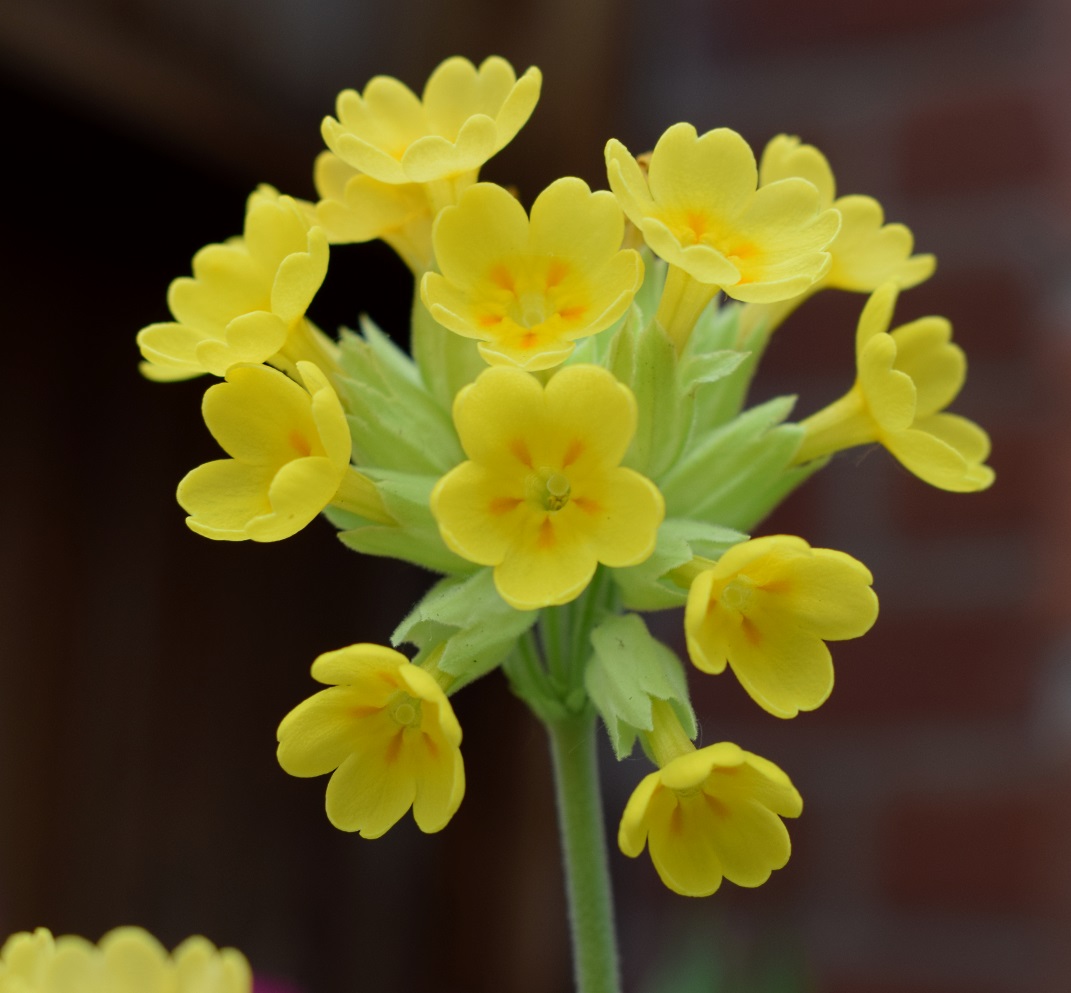
The Cowslips are still flowering
and our Clematis montana is a joy to behold, trouble is it's even better on the neighbour's (south) side of the fence!
One of our favourite wild flowers, Herb Robert, is just coming in to flower. There's lots in the garden which is good cos the bees love it.
On Sunday we picked up BD and had a drive out east and up hill. We went to the popular country park with a particular target species in mind. Although the sun was out it wasn't as busy as we'd expected we had the trails mostly to our selves save for the odd family out for a dog walk and/or picnic. 
In the peaty wetter areas off-piste where the conifer trees have been felled Cotton Grass was coming into flower.
It took a while before we heard the Guinea-Pig-like last few notes of our quarry's song. Once we heard it we soon located the singer and a rival! Tree Pipits (159), they gave great views as the made their song flights around the tree tops.
After enjoying the Tree Pipits for a good while BD suggested we take the lower path along the edge of the trees back to the car park. It turned out to be decision of the day when we came across two dark moths spiraling around each other. Unsure of their ID we waited for them to settle. It was then we saw they weren't moths at all but Green Hairstreak butterflies, a species we've not seen at this site for about 30 years - obviously we've missed them as we don't visit anything like as often as we did in the old days.


Before returning to the car we had a look round the pond where Bog Bean was in flower.
What weird and intriguing petals it has - what is all that fluffy stuff for? Does it help trap/direct pollinating insects?
One pollinator had a lucky escape when spotted it struggling in the water. A leafy stick was found to bring it to safety where it could dry out in the sun.
The main reason for visiting the pond was to see if we could find any dragons or damsels. We briefly saw a damsel and luckily (or should that be skilfully) BD was able to keep his eye on it when it went in to the trees and refound it several minutes later on a dead twig half way up a bush.
Back at the car a 'probable' Garden Warbler kept us entertained and guessing for ages but refused to show itself unlike the several Blackcaps singing in the same patches of bushes.
Footling round the sunny and sheltered car park gave us the opportunity to have a close look at some butterflies too, like this female Orange Tip.
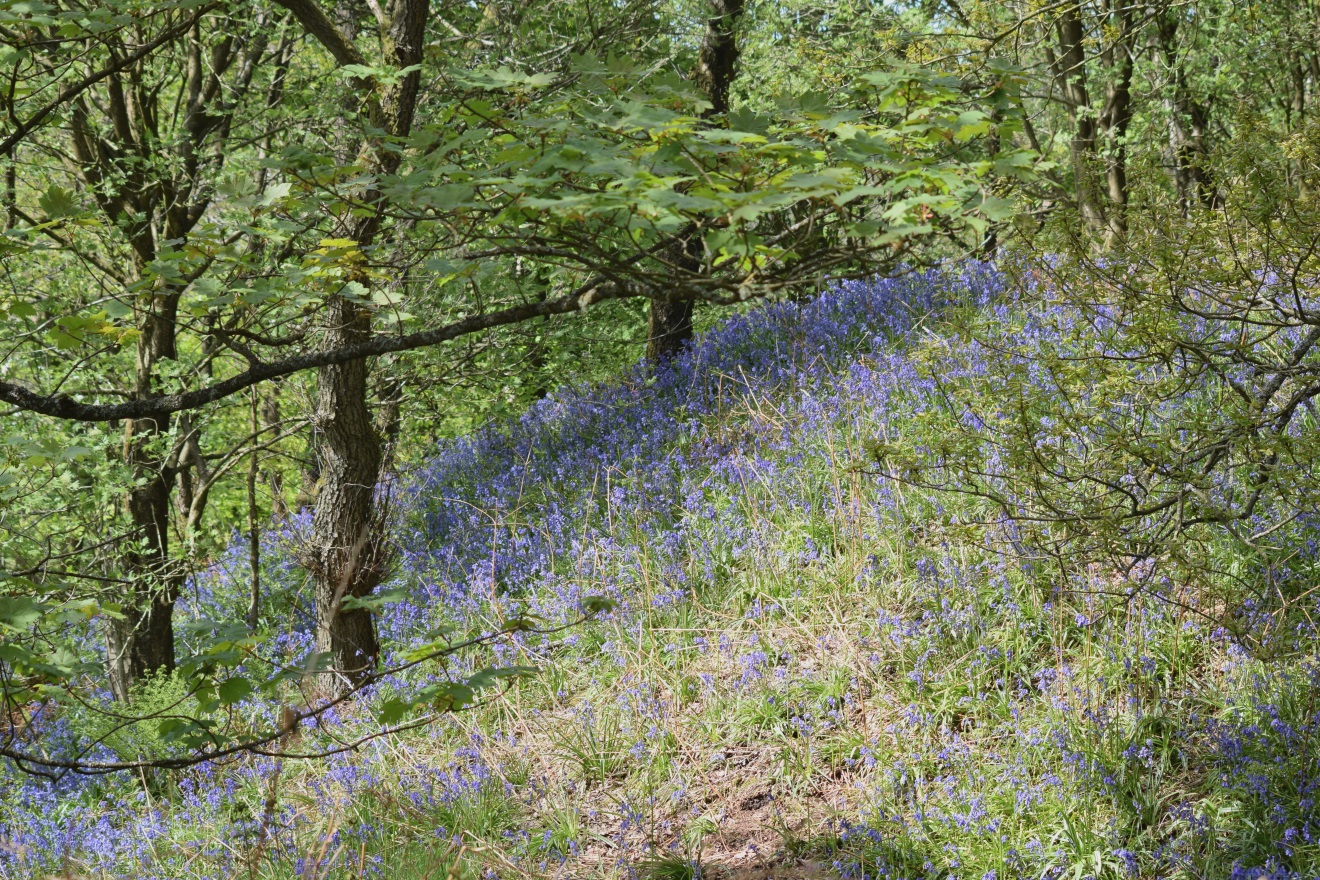
Our Garden Warbler quest was abandoned and we headed to a nearby woodland. By now it was mid afternoon and the birds had gone quiet. Apart from the noisy Robins we only saw a Blue Tit and Great Spotted Woodpecker. The scent coming from the carpet of Bluebells was delicious and worth the visit alone!
Time was passing now but we were still able to visit the river a mile or two downstream. Two women and their dog set off along the path ahead of us and probably flushed the Kingfisher (160) that whizzed past us in a hurry. That was our target bird here and we had hoped for perched views not the 100mph flight view we just had. We turned back hoping it would have stooped at the weir by the bridge. It hadn't, or at least wasn't there by the time we got there. Crossing the road we walked upstream. Still no sign of the Kingfisher but Chaffinches, a Pied Wagtail and several unseen fish were making the most of a Mayfly hatch.
Along the riverbank a male Orange Tip teased us by settling for minutes at a time but never very near and when it was closer it didn't settle for more than a few seconds not allowing a decent shot at it.
We had enough time left before returning to Base Camp to call in briefly at another site to look for Little Ringed Plovers. None were found on the pool but the Common Terns fishing along the canal were a joy to watch.
And so endeth our last excursion for at least a couple of weeks or so.
Where to next? It can only be garden news from Base Camp for a while and it could be a few days or more until we can hold the camera again.
In the meantime let us know who's been fluttering by in your outback.