Showing posts with label cotton grass. Show all posts

Friday, 20 May 2016

Up on the hill down by the river

The Safari is currently incapacitated after yet another hand op. This disease/condition is really starting to wear a bit thin now!
Last weekend we had a couple of days freedom before going in to hospital and was able to have a good mooch round the garden and a safari further afield. While we were away on holiday the Great Tits have been busy


Today we were thrilled to see that at least one youngster has fledged. Much better than last spring when all the chicks died due to the terrible weather.
We also saw the first Goldfinch juveniles feeding in the garden, over a month earlier than last year when we assume early nests failed.
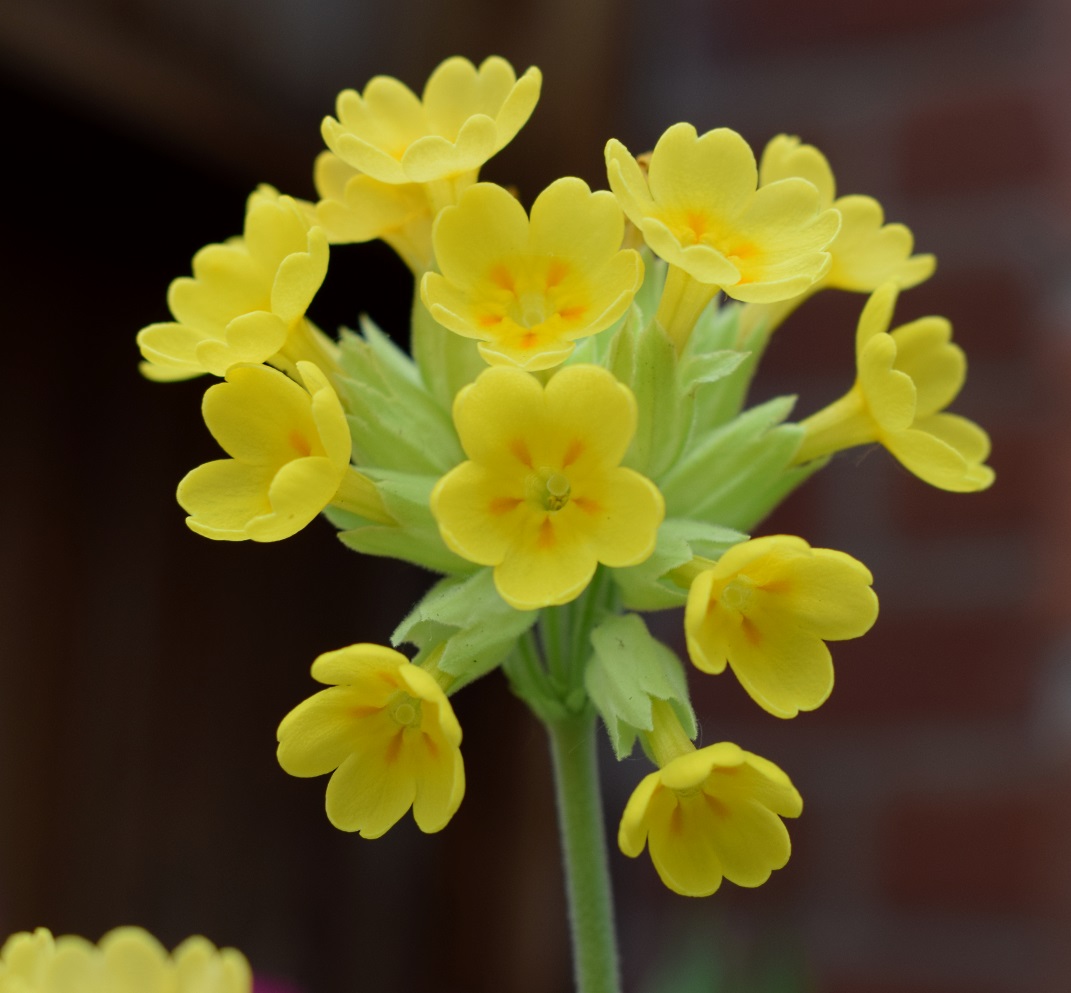
The Cowslips are still flowering
and our Clematis montana is a joy to behold, trouble is it's even better on the neighbour's (south) side of the fence!
One of our favourite wild flowers, Herb Robert, is just coming in to flower. There's lots in the garden which is good cos the bees love it.
On Sunday we picked up BD and had a drive out east and up hill. We went to the popular country park with a particular target species in mind. Although the sun was out it wasn't as busy as we'd expected we had the trails mostly to our selves save for the odd family out for a dog walk and/or picnic. 
In the peaty wetter areas off-piste where the conifer trees have been felled Cotton Grass was coming into flower.
It took a while before we heard the Guinea-Pig-like last few notes of our quarry's song. Once we heard it we soon located the singer and a rival! Tree Pipits (159), they gave great views as the made their song flights around the tree tops.
After enjoying the Tree Pipits for a good while BD suggested we take the lower path along the edge of the trees back to the car park. It turned out to be decision of the day when we came across two dark moths spiraling around each other. Unsure of their ID we waited for them to settle. It was then we saw they weren't moths at all but Green Hairstreak butterflies, a species we've not seen at this site for about 30 years - obviously we've missed them as we don't visit anything like as often as we did in the old days.


Before returning to the car we had a look round the pond where Bog Bean was in flower.
What weird and intriguing petals it has - what is all that fluffy stuff for? Does it help trap/direct pollinating insects?
One pollinator had a lucky escape when spotted it struggling in the water. A leafy stick was found to bring it to safety where it could dry out in the sun.
The main reason for visiting the pond was to see if we could find any dragons or damsels. We briefly saw a damsel and luckily (or should that be skilfully) BD was able to keep his eye on it when it went in to the trees and refound it several minutes later on a dead twig half way up a bush.
Back at the car a 'probable' Garden Warbler kept us entertained and guessing for ages but refused to show itself unlike the several Blackcaps singing in the same patches of bushes.
Footling round the sunny and sheltered car park gave us the opportunity to have a close look at some butterflies too, like this female Orange Tip.
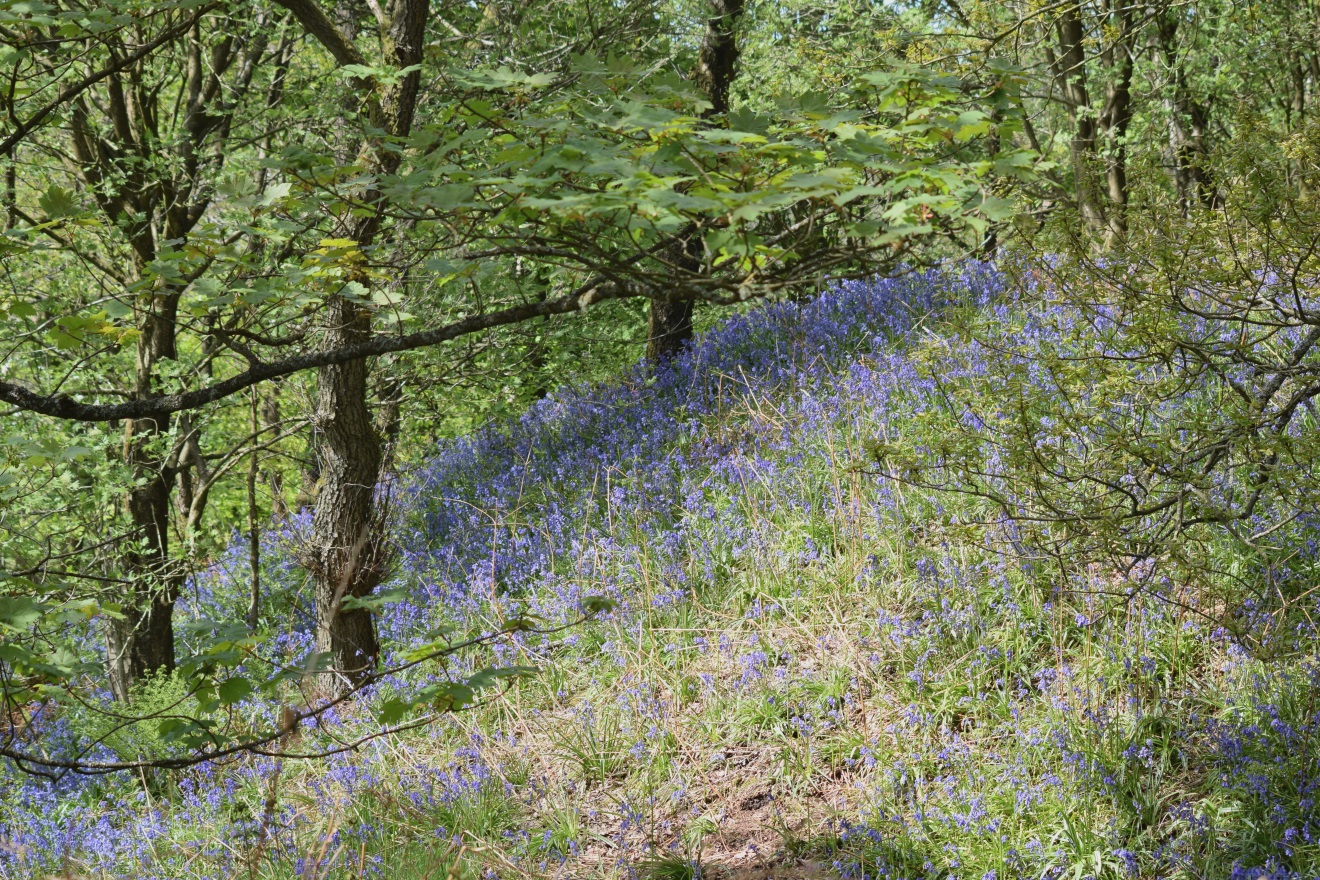
Our Garden Warbler quest was abandoned and we headed to a nearby woodland. By now it was mid afternoon and the birds had gone quiet. Apart from the noisy Robins we only saw a Blue Tit and Great Spotted Woodpecker. The scent coming from the carpet of Bluebells was delicious and worth the visit alone!
Time was passing now but we were still able to visit the river a mile or two downstream. Two women and their dog set off along the path ahead of us and probably flushed the Kingfisher (160) that whizzed past us in a hurry. That was our target bird here and we had hoped for perched views not the 100mph flight view we just had. We turned back hoping it would have stooped at the weir by the bridge. It hadn't, or at least wasn't there by the time we got there. Crossing the road we walked upstream. Still no sign of the Kingfisher but Chaffinches, a Pied Wagtail and several unseen fish were making the most of a Mayfly hatch.
Along the riverbank a male Orange Tip teased us by settling for minutes at a time but never very near and when it was closer it didn't settle for more than a few seconds not allowing a decent shot at it.
We had enough time left before returning to Base Camp to call in briefly at another site to look for Little Ringed Plovers. None were found on the pool but the Common Terns fishing along the canal were a joy to watch.
And so endeth our last excursion for at least a couple of weeks or so.
Where to next? It can only be garden news from Base Camp for a while and it could be a few days or more until we can hold the camera again.
In the meantime let us know who's been fluttering by in your outback.


Wednesday, 15 July 2015

Orchid time on the dunes

The Safari had built up a big surplus of extra hours and even after booking some flexi-time for a long weekend we still had a a few to play with. Yesterday mornig we got a txt from Young Un AB saying he'd just been on the dunes and counted a very accurate 841 Pyramidal Orchids and seen a Grayling butterfly - that was excuse enough for a very long lunch break. 
As soon as we arrived on site we saw there were lots of Burnet moths everywhere, almost every Creeping Thistle flowerhead had at least one supping away at the nectar within.
All the ones we looked at closely, without our specs we might add, were Narrow Bordered 5-spot Burnets.
Walking a few yards further into the dunes we disturbed a Meadow Pipit that wasn't at all happy with our presence
 It kept a rather watchful eye on us.
But where were all those orchids? Another couple of steps and we crested a small rise and there amid the Creeping Willow were several pink flower spikes, about 20of them, not the mother lode but a good start.
They were growing in an area from which much invasive Sea Buckthorn had been removed during the winter, the management certainly appeared to suit them.
AB was kind enough to tell us the whereabouts of other orchids nearby too which included Common Twayblade which we didn't know grew on the site, surely we'd been told at some stage over the last 25 years or so and forgotten if that was the case the information certainly wasn't for being retrieved from our memory banks!
Only a few yards away near a large hole that is being dug for an as yet unknown reason, probably to provide some form of dune slack (aka seasonally wet area), he said there were some Marsh Helleborines.
From there he directed us across the road to look into the garden of the rest-home which has been left uncut and is a wondrous array of colours from the multitude of wildflowers growing in the short sand turf, it is a sight to behold! The target here was probably the most dull and insignificant looking plant in the 'meadow' but one of the rarest in the country/world being an endemic to a handful of scattered sites around the coast and not overly numerous at any of them, the rather wishy-washy nondescript looking Dune Helleborine.
We didn't have permission to enter the garden but saw one of the five specimens not too far away from the wall.
 Exciting isn't it! Well it's not a looker but it is pretty special.
Walking back to the Land Rover (we keep threatening to replace it, but can we part with it?) a small orangy butterfly flew across the track in front of our knees, a Gatekeeper - one of the species we looked for unsuccessfully at the White Letter Hairstreak site at the weekend. They'll probably be out in force there this coming weekend if the warm(ish) sunny weather holds.
Not a bad way to spend a lunch hour and a bit.
Back in the office walking along the corridor we spotted a tiny bee that hadn't been able to find an open window and succumbed to the heat - yes we look at all manner of strange things! The thing that grabbed our attention was the red underside to its abdomen, not seen one like that before so in a pot it went, but what exactly was it? Why a pot for a dead bee - habit we suppose!
A plea on Twitter was made and the very knowledgeable and very modest @RyanClarkNature cme back with a name Megachile centuncularis, a quick look on the national database showed it to be, unsurprisingly, the first record for town and only the second for the whole of the Fylde (with the proviso that the NBN maps can be a little behind the times)/
Our last late finish of the season was helping an enthusiastic gang of Rainbows do some mini-beast hunting and pond dipping. Our best find for them was a Zebra Spider just before the action kicked off.
A quick little devil that didn't like being in the light in the middle of the lid of the pot
Better but stiller in the bright sunshine
Today we had a pretty intense time at work but were able to finish early and meet up with AB on the dunes and he showed us some of the other specialities he'd learned about from the old master MJ.
There's some nice moths on the dunes, we saw Latticed Heath but it was too quick for the lens unlike this Blackneck which did its best to hide from us.
It's larvae feed on Tufted Vetch of which there is plenty on the reserve. Nowhere near as common locally is Cotton Grass, a species more normally thought of as upland bog plant but was probably very common on the lowland mosses before they were extensively drained. A nearby field which had a sizeable colony was drained for a sports field not too many years ago.
Another orchid species here is Early Marsh Orchid, its earliness now meaning it's coming to the end of its season and most of them were going well over.
Harebells were everywhere, don't think we've ever seen so many here. the floral display this summer is really fine and well worth a visit.
 Like the Cotton Grass they were blowing around a bit
AB shifted up a gear after spotting another speciality moth, seconds later his bag was off his bag and a pot removed and de-lidded. in a jiffy a Silver Hook was inside. A new one for us and what a little beauty.
This one's a sedge feeder.
He released it but it wouldn't settle in the right place for a pic. While trying to get the pic we saw a shield bug. It's a still a nymph and we're not sure which species.
There are areas of the dunes that are losing their spectacular wildflowers to longer denser grassland. Some management has been begun to address this but really what's needed is more Rabbits to graze it down. There are some but not enough and they're widely scattered across the reserve and not able to 'control' large areas of dense vegetation. One thing is for sure they don't like Thyme!
On the final way back to the Land Rover we got the pic we wanted, OK very nearly the pic we wanted
We'd have preferred a more contrary Small Skipper but you can't have everything and it was a brilliant hour out all thanks to AB.
Where to next? Anything could happen tomorrow.
In the meantime let us know what unknowns who's keeled over in your outback.