Showing posts with label northern marsh orchid. Show all posts

Sunday, 28 May 2017

Sitting at the dock of the bay

The Safari was able to get an hour down at the old dock where mooring pontoons have been commandeered by a colony of nesting terns. Actually there wasn't anywhere to sit so we were standing against the railings.The terns are sat on their nests right below your feet!
and offer crippling views 
as they come and go
sometimes bringing food for egg incubating mates
Right by the huge Mute Swan's nest was this Arctic Tern sitting tight. The swan's nest is constructed between heaps of driftwood.
The Common Tern's nest in the first pic got trodden on by the male Mute Swan as he clambered aboard the pontoon to join his mate. Somehow he only managed to kick a bit of cardboard over the eggs and managed not to crush them. Not the best place to build your nest - bit like pitching a flimsy tent in the inside lane of the M6 and hoping the trucks won't squish you.
On the way back to Base Camp we stopped briefly at the neaby marsh where a number of House Martins were busy collecting mud for ttheir nests. Is it just us or do numbers of these little beauties and Swifts appear well down this summer?
We had a quick scan of the muddy margins of the pool but found only a few Redshanks, Lapwings and snoozing Mallards.
Then out of cover close by, perhaps worried about the barking from Monty as we'd left him in the car and he wasn't happy, came a family of Shovelers. Good to have them nesting in our area, let's hope at least a couple of the ducklings survive.
Back at Base Camp the garden is blooming after our holiday and now we have two spikes on our Northern Marsh Orchid in the tub by the sitting room window.
Herb Robert self seeds into every available space buut we don't mind as it's cheery and the bees and other insects love it.
And finally here's a few mmore from Cornwall we've managed to get round to processing.
Botallack's Meeter-n-Greeter in-chief - - no-one was allowed to pass without giving him a tickle on the chin
Bumblebee sp on Gorse
Common Blue
Black Lipped Banded Snail - yellow un-banded form
Garden Snail
Navelwort - very common on the dry stone walls around the village and cliffs, in fact it grow where-ever it could find the tiniest toe-hold

Mine chimney built with granite
Cape Cornwall - originally thought to be Britain's most westerly point until someone measured Land's End properly - - there's five Grey Seals in the cove bottling just behind the surf
Cape Cornwall again
Where to next? Back on Patch 1 for a couple of days before we go back to work.
In the meantime let us know who has to be seen in your outback.


Sunday, 29 May 2016

Small victories in the war against ecocide

The Safari was able to sit outside in the sunshine on Saturday but for much of the time all we could hear was strimmers, lawnmowers, hedge trimmers and other power tools ripping into the local gardens without a second thought for what might be being destroyed either directly or indirectly like opening up the dense cover around a nest so that predation by eg cats/Magpies becomes inevitable - there's a Robin's nest nearby we've seen an adult skulking unobtrusively to and fro through the undergrowth at the bottom of the garden.
Cat owners please note that putting a bell on your moggie has no effect on reducing their slinkiness what-so-ever. This afternoon we were at peace with the world on the patio when we noticed a movement to our right. A be-belled cat had crossed the yard and climbed the half dozen steps to the patio in absolute silence. It's only when we spotted it and moved that it ran back down the steps that we heard the bell jingling.
All this feline activity didn't wake the sleeping Woodpigeon high and safe on the pergola. He waits up there for smaller birds to visit the feeders and spill crumbs down on the ground as he's not agile enough to reach them himself.
The other day we were thrilled to have a Jackdaw come down and visit the feeders, today we doubled our record count!
And were very pleased with more visits from the now regular but totally unpredictable male House Sparrow. His routine seems to be a quick snack on the feeder before a minute or two's search of the Silver Birch tree before heading off north to north east-ish - wonder where he's going too.
One particular juvenile Starling is another unpredictable visitor, coming in unexpectedly at any time for a quick suet top up or a bathe in the ornamental waterfall. Most of the birds seem to prefer this to the birdbath a yard away which we would think offered a bit more safety being raised up on a pedestal, only the Blue Tits seem to use it. The Starling never brings his parents or siblings.
Meanwhile down in the yard the orchid story in (literally) unfolding in front of our very eyes.
Here's the first fully open flower.
Apparently there are about 120 in flower at the nature reserve this week and no doubt more on the duneland nature reserve we also visit so we're thinking a spore or two may have hitched a ride with us and found the tub to their liking. We've certainly got down close and personal with them for pics at the nature reserve although that would invariably be when they were in full flower and not once they'd gone over and had ripe seed capsules. Maybe it is a one in a billion fluke. It must be almost 100 years since the garden was last farmland and there may have been/probably was orchids in the pastures and/or hay meadows at that time. Definitely one to ponder and enjoy and a very welcome addition to the garden flora wherever it came from. The tub was originally planted with ornamental Alpine plants into recycled peat-free compost, the Thrift is the only surviving original plant, the Cowslips have were seeded in deliberately from others in the garden. The blue Campanula was in the pot bust has 'escaped'.
Warm sunshine meant insects were on the wing and we had brief visits from the first Holly Blue butterfly of the year and a mature Blue Tailed Damselfly which we assume came from someone else's pond as we've not seen any tenerals around our pond at that point. And then a little later there was one right in front of us struggling in a spider's web.
Being soft hearted we did the wrong thing and deprived the spider of an enormous meal.
It soon fluttered off none the worse for wear from its very close shave.
Tree Bees and Early Bumble Bees visited the flowers on offer while a huge queen Bombus terrestris got trapped underthe pond net for a while being too big to fit through the mesh that keeps the Herons out.
Here's the view from our perch on the patio, somewhere to the right behind the garage there was a Blackcap singing very quietly a couple of gardens away. We tried to see where it might be from the back bedroom window. We've not looked out from there for a while and were shocked to see how much shrubbery has been lost from the surrounding gardens - they're mostly bare now almost habitat-free zones.We are very much an island of structural diversity in a sea of monotonous lawns and 'tidy' flower-beds.
But we bet even those tidy gardens have Greenfly and no doubt a futile ecocidal war will be waged against them. They're welcome on our notebook anytime.
All these little things, while barely significant in their own right, give us immense pleasure at a time we're invalided and unable to get further afield but are all little victories against the masses that seem to want rid of wildness for the sake of 'tidy' and in doing so make our world that little bit poorer. They don't seem to realise all species are interconnected including ourselves, we are a part of nature not apart from it and there is no Planet B!
Wifey came back from the shops late afternoon and suggested we have a drive out to the countryside for a bit of fresh air and to help us going stir crazy at Base camp. We felt up to it so in the car we got. We ended up at a favourite riverside walk where we heard a Garden Warbler (161) as soon as we opened the car door and Wifey spotted a Nuthatch on the feeders at the end of the car park.
The woods rang loudy with the songs of Song Thrushes, Blackcaps and Wrens but the river was devoid of birds apart from a family of well grown Mallards.
At the car park another visitor (probably spotting our bins) had told us too look for the pair of Mute Swans on the lake, "there's a bird-hide you know". Yes we knew, we've only been going there since the early 80s and never seen anything out of the ordinary from it! The best sighting we had was a shoal of large Chub when we looked directly down out of the window once many many years ago and we've seen a Roe Deer on the far bank once.
We had a look from the hide anyway not expecting much but as expected the pair of Mute Swans were feeding out in the middle of the lake. On a dead snag at the side of the hide was a Grey Wagtail with a beak stuffed with flies. It was agitated and calling like mad so we thought it might have a nest in or near the hide so we fired off a few shots and left it in peace. As soon as we'd gone the other came and landed on the branch next too it also with a beakful of food - time to leave them well alone.
The woods are undergoing some bizarre coppicing work, not sure by whom, but we did some Alder coppicing in the top corner all those years ago and this looks like an attempt to revisit that work although the trees seems to be chosen at random and some of the stumps have been left very long - all very strange...shoulda taken some pics. We should also have taken some pics of the dense wildwood a little further along the path away from the river. The trees are all shapes as they've competed for light and their boughs are gorgeously festooned with mosses, lichens and ferns. In places trees grow in the path and their roots have become exposed by the passage of countless feet - looks like a giant bonsai display.
Arty canopy shot through a not-so-invasive-here Norway Maple
The last time we were here the Rangers were cutting developing Alder scrub from the extensive meadow areas. We had hoped there would be an awesome display of Marsh Orchids and Cowslips but it wasn't to be, even the Buttercups weren't putting on as good a show as the un-managed area on the other side of the car park. Maybe we're a week to early still, but we did find a Common Twayblade just at the side of the path through the meadow - very vulnerable to being trodden on by the hordes of rampaging dogs that are brought for a 'walk'.
It was great to get out and the day was finished with a huge plate of fish and chips, the perfect end to a perfect day. Wifey added three birds to her year list, Garden Warbler, Nuthatch and Blackcap taking her total to 102, sadly we couldn't find her Kingfisher, Dipper or Little Ringed Plover (on the brand new pool that has been excavated over the road from the car park - looks mint for them).
Where to next? Back on our perch on the patio at Base Camp lapping up the sunshine and the wildlife sights in the garden. A Honey Buzzard will fly over - - plleeeeeeeaaasssse!
In the meantime let us know who's put in a surprise appearance in your outback.


Sunday, 7 June 2015

Sunday afternoon in the sun

The Safari was garden-bound almost all day but got out for a couple of hours late on.
Pottering around in the garden we found the solitary bee has started a new brood tube in a hole in the fence rather than the bee hotel.
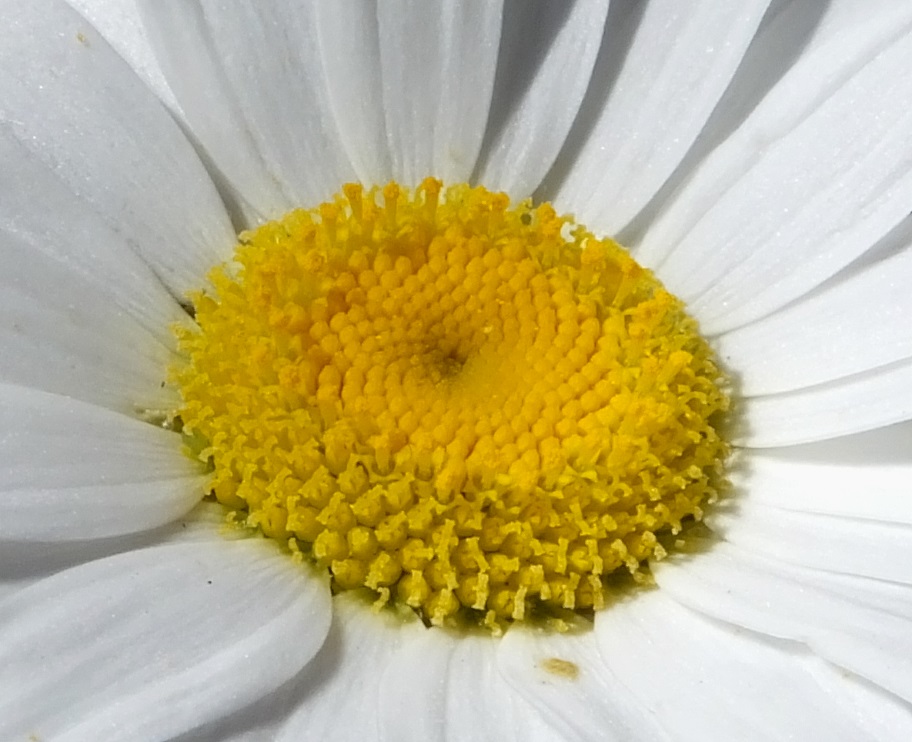
Nearby was on of our many Ox-eye Daisies.
The Goldfish were active in the warm sunshine - they were lucky they couldn't feel the bitter wind. 
Our safari out late afternoon had orchids on the menu.
The Bee Orchids aren't quite out yet - we could only find two, this was the smaller but easier to access of them.
Down on the nature reserve there's an unprecedented number of Marsh Orchids, over 170 now!
 OK so they're some of the most common orchids there are but aren't they stunners!


We went ot have a look over the water and heard a Lesser Whitethroat singing on the short walk. About 30 odd Swifts were scything over the mere easily the most we've seen this year and we've still not seen one at Base Camp.
There was something very unusual on the grass - an Oystercatcher feeding away totally unphased by people and dogs! how bonkers, we've seen them on there when it's been really quiet in the winter but not like this on a busy weekend.
A very pleasurable couple of hours mooch and meander and we saw our first Common Blue butterfly, briefly, and a mature Blue Tailed Damselfly, again only briefly.
Where to next? Patch 2 again in the morning.
In the meantime let is know who's sneaking through the fence in your outback.

Wednesday, 27 May 2015

The best kind of visitor

The Safari had the stealth-cam out all the while we were away but the batteries must have been on their last legs as we only got daytime activations. Yesterday we got round to buying some new batteries and set it up late evening overlooking the ground feeder with some sunflower hearts in it. If the Long Tailed Field Mice were still about they'd come to the food and trip the camera and of course there's a multitude of passing cats to be snapped.
The time on the camera shows it must have been waiting for us to put the food out, it was only a few minutes earlier that we'd set the scene up!
And it was munching away in the morning not long after we'd been out with Frank through the back door only a few feet from the food tray - brazen these mice are!
But what of the intervening hours of darkness? Yes, there was cat after cat after cat but we also hit garden gold.
We haven't seen or heard any evidence of the local Foxes for several months so were really chuffed to get this one passing through on the first night the camera was set up, which begs the question is it a regular route for them???? Tonight's camera might shed a little more (infra-red) light on the question.
Not entirely sure what it's stopped to sniff at, can't be 'looking' to see if Frank is still about as it's well past his bedtime. We now need some tasty morsels that the cats wont be interested in to see if we can tempt it/them to linger longer - boiled eggs perhaps; any other suggestions anyone. Are there cubs??? Do we still have Hedgehogs coming into the garden?
At lunchtime we were allowed out for a couple of hours and as we'd had a call from LR about the orchids at the nature reserve we decided to go and check them out. We pulled up at our usual parking spot and as we locked the Land Rover doors something dark lying in the grass caught our eye. We thought we'd best not step in it and saw that it wasn't that yukky stuff that should be picked up but something bizarrely out of habitat and totally out of context. It was a Mermaid's Purse, or more accurately an empty egg-case from a Thornback Ray. How'd that got there? Dropped by a passing gull, passed through a passing gull - hope not we picked it up!, fallen out of a child's seaside bucket or fallen from a fisherman's car. Anyway it's possibly the oddest find we've ever had there and we've had some weird stuff over the years.
We know they like it wet but nowhere near as dry as a wetland!
We had a look over the water but all was quiet. A pale thing attracted our attention.
Was it a giant dead Eel, was it the arm of  the long lost mythical Boggart, looked far too big to be a piece of Yellow Water Lily root or Reedmace rhizome. What was it? Later, from the other side we were to discover it was a large piece of tree branch covered in old bleached water weed - almost disappointing!
Our mission to find the orchids didn't go quite to plan as we'd seemed to have forgotten exactly where they were and ended up looking about 15 yards away from their patch. We did find them in the end. Most only had flower buds like this large and stout Common Spotted Orchid.
But some of the Northern Marsh Orchids(?) were just waiting for another sunny day to open fully.
We didn't count them but were later reliably informed by MMcG that there were at least 45 spikes waiting to open.
After that we had a look from the Viewing Platform and enjoyed a few Swifts until the weather cooled a little and about 30 turned up only to depart as quickly as they came whe nit warmed up again a few minutes later.
Coming out of the scrub we bumped in to the Kids Club being led by Ranger Steve from the caravan site on a guided wildlife walk and we were able to show them something really special.
Most of them had never seen any kind of newt before and some hadn't even heard of them but they all had a turn of gently holding it, even some of the mums! There were three altogether, all small ones from last year, which is our best count on the reserve.
Not far away in the scrub is our favourite tree on the reserve, an Elm which has obviously succumbed to Dutch Elm Disease but is now recovering and growing strongly - great to see, is it too far from the colonies of White Letter Hairstreak butterflies to hope they might find it - actually there are at least two other Elm trees on the reserve, the nearer one is much bigger than this one but bigger is more easily found by the Elm Bark Beetle and Dutch Elm Disease might not be far away.
Another great couple of hours on safari.
Where to next? With the antics of #spinelesssimon on Springwatch we might have to get the underwater camera out and set it up in our pond at work tomorrow to see if our 3-Spined Sticklebacks are as interesting as he is. Our hols have come to an end so Patch 2 will be back in play too.
In the meantime let us know what needs a few hours of sun to burst forth in your outback.